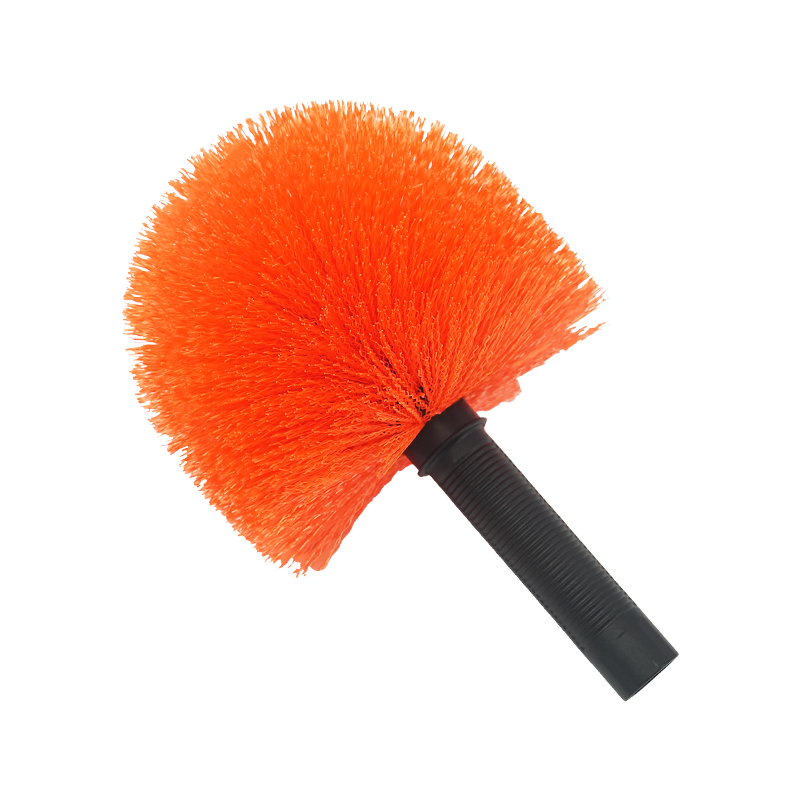
Window Cleaning Tools
Cleafou is a professional window cleaning tools manufacturer in China, supplying squeegees, scrapers and cleaning accessories. Request a factory quotation.
Showing all 4 results
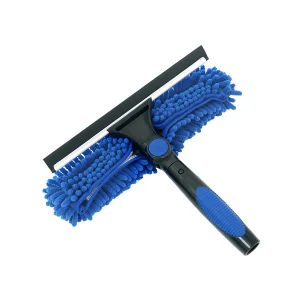
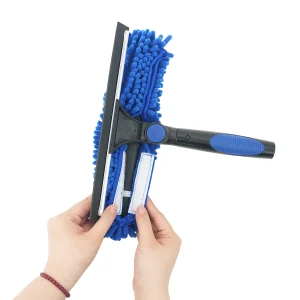
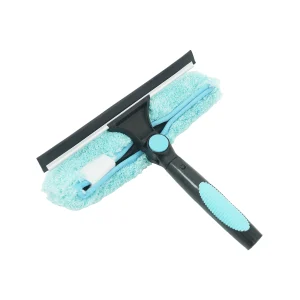
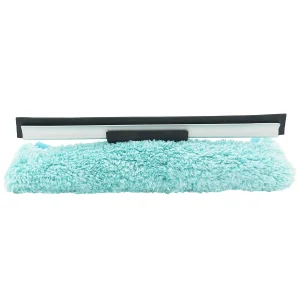
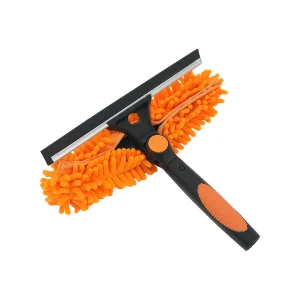
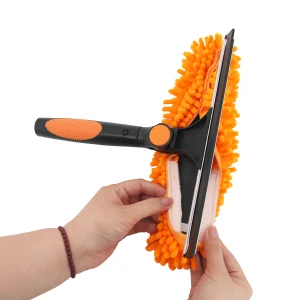
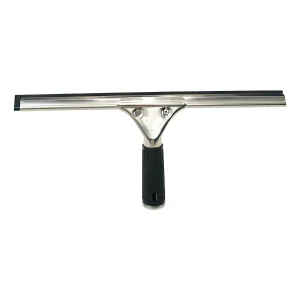
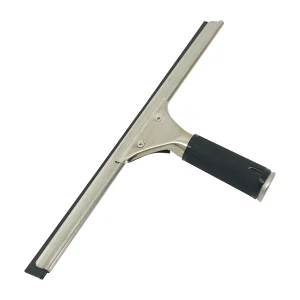
Cleafou Window Cleaning Squeegee
Get a Quote
Filters
Showing all 4 results
Cleafou Window Cleaning Squeegee
Get a Quote
WHAT DO PROFESSIONALS USE TO CLEAN WINDOWS?
In the professional window cleaning industry, the window squeegee is undoubtedly the most essential tool in a cleaner’s arsenal. Whether cleaning residential homes, street-front shops, or large commercial buildings, a high-quality window squeegee can make the job twice as effective with half the effort.
We offer a comprehensive range of window squeegee solutions, including handles, squeegee rails, replacement blades, and various professional accessories. Our standard kit includes a high-strength handle, durable rail, and premium rubber blades, ready to use right out of the box. To meet the needs of different scenarios, the Cleafou window squeegee can be used as a flexible handheld tool or easily attached to an extension pole for working at heights. Additionally, if you’re looking to boost your efficiency, our multi-functional combination tool will save you even more valuable time.
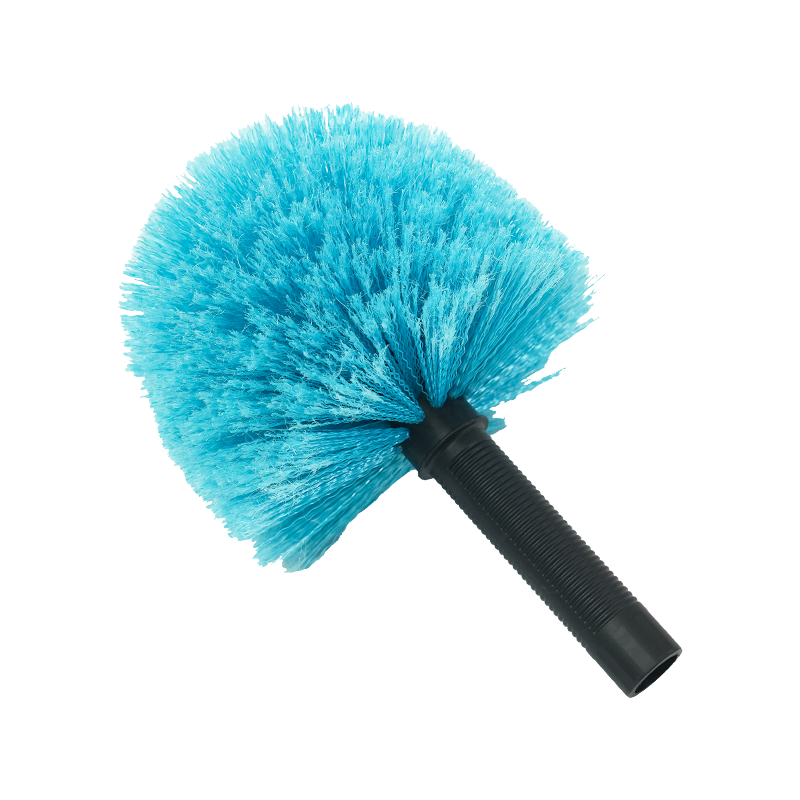
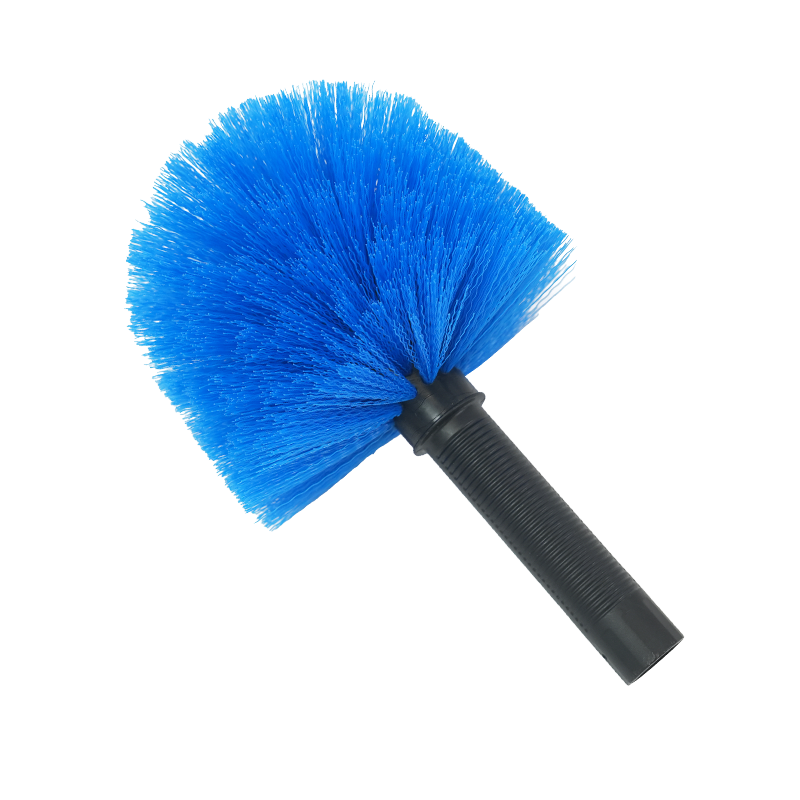
Is squeegee rubber important?
In professional cleaning operations, Squeegee Rubber are a key factor in determining the final results. High-quality strips with sharp edges can thoroughly remove liquids, effectively preventing water marks and streaks from remaining. This not only ensures the clarity of glass surfaces but also keeps floors dry and safe. The performance of squeegee rubber varies depending on the climate: hard rubber performs more stably and efficiently in high-temperature environments, while soft rubber offers better flexibility and adhesion in cold weather. For high-intensity commercial cleaning, regular maintenance and replacement of the rubber strip are key investments in extending the tool’s overall lifespan. Furthermore, the rubber strip’s exceptional water control capabilities are crucial for floor cleaning, instantly eliminating safety hazards and preventing slip-and-fall accidents caused by wet floors.
What kind of squeegee rubber do i need?
When selecting squeegee rubber, the primary considerations are your local climate and working environment. Generally, rubber comes in hard, medium, and soft variations. A practical rule of thumb is to use soft rubber for cooler temperatures, as it maintains its flexibility and conforms easily to the glass; in fact, many professionals prefer soft rubber year-round due to its quick break-in period. Conversely, hard rubber is better suited for hot weather, offering increased durability and maintaining its edge without softening in the heat, though it may require slightly more pressure during use.
To maintain peak cleaning efficiency, it is crucial to monitor the rubber’s performance and replace it regularly. While there is no set schedule for replacement, best practice involves swapping out the blade as soon as you notice streaking or edge wear—some high-volume professionals even change theirs daily. Furthermore, proper storage is key to longevity: always keep your rubber in a cool, dry place away from direct sunlight and extreme heat. Utilizing UV-resistant storage cases is an excellent way to preserve the material’s integrity until it’s ready for the job.
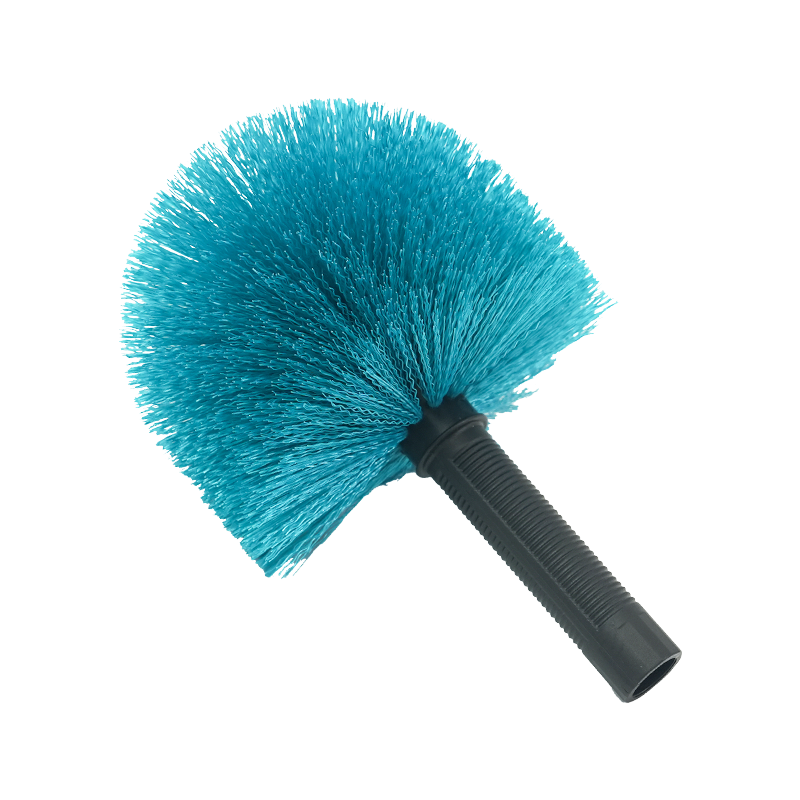
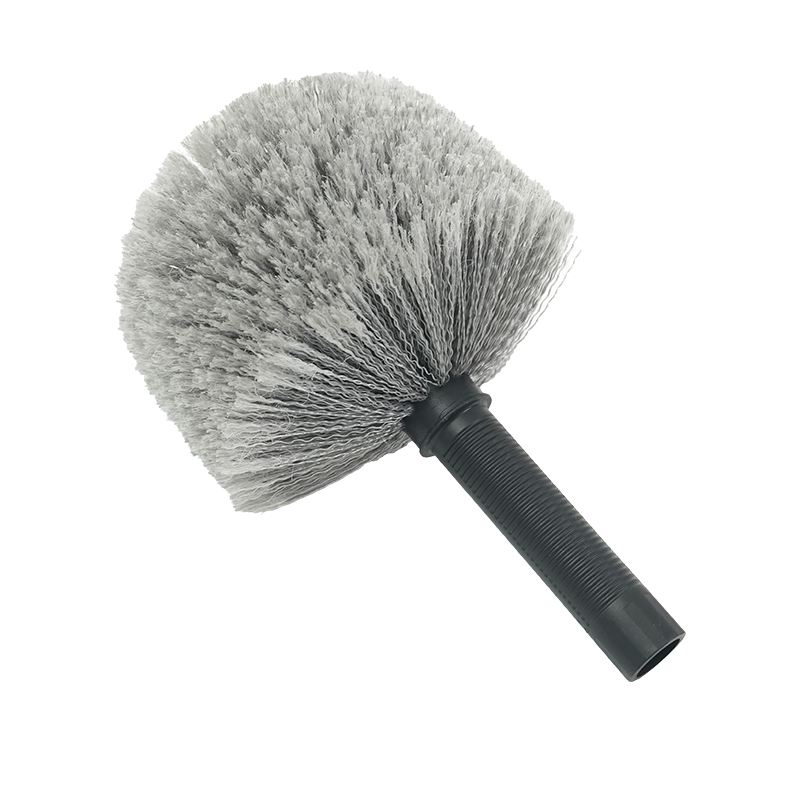
Selection Strategies for Professional T-Bars and Scrubbers
In the workflow of professional window cleaning, the wetting system is far more than a tool for applying detergent—it is the critical first stage in maximizing labor efficiency. By integrating high-performance T-bars, high-absorgency sleeves, and multi-functional combination tools, cleaning contractors can significantly enhance both surface coverage and cleaning depth.
The Physics of Scale vs. Pressure: Maintaining a diverse inventory of sizes is a standard consensus among professional teams to accommodate varying architectural structures. For instance, a compact 6-inch setup is the ideal choice for handling French panes or removing stubborn debris, as it concentrates the operator’s force onto a smaller contact point to provide intense physical friction. In contrast, large-scale systems of 18 inches or more are engineered for maximum “coverage efficiency,” aiming to sweep the largest possible surface area in a single pass, thereby drastically shortening the cleaning cycles for large commercial glass.
Systematic Inventory Management: From basic frames to specialized, integrated scrubbers, selecting components with high compatibility can effectively lower long-term consumable costs. Maintaining a versatile tool kit—encompassing different materials, lengths, and water-retention characteristics—is a core competency that allows professional teams to transition seamlessly from detailed residential cleaning to heavy-duty commercial facade projects.
Industrial Specifications and Procurement Guide for Professional T-Bars
In the cleaning equipment supply chain, the structural design of a T-Bar directly dictates operational efficiency and product lifespan. For professional distributors and commercial procurement, the following are the core performance indicators:
Mechanical Flexibility: Fixed Design: Offers maximum structural stability, ideal for high-volume, standardized procurement.
Swivel System: Specifically engineered for complex angles and high-reach extension pole operations; it is a high-margin selling point that significantly boosts field productivity.
Water Retention Engineering: Precision-machined grooves on the bar surface significantly enhance liquid retention, reducing dip frequency and expanding the coverage area per stroke.
Material Engineering: Available in corrosion-resistant reinforced polymers or lightweight aluminum alloys. Plastic models offer a balance of durability and cost-efficiency, while aluminum provides extreme rigidity; both are fully compatible with major professional scrubber sleeves.
Ergonomic Protection: Anatomically designed rubber grips minimize vibration and operational shock, effectively preventing repetitive strain injuries (RSI) for professional technicians. This serves as a critical value proposition when pitching to large-scale Facility Management (FM) providers.